
Sub-Total: $0.00
Top Dog Training Tips Every Human Should Know
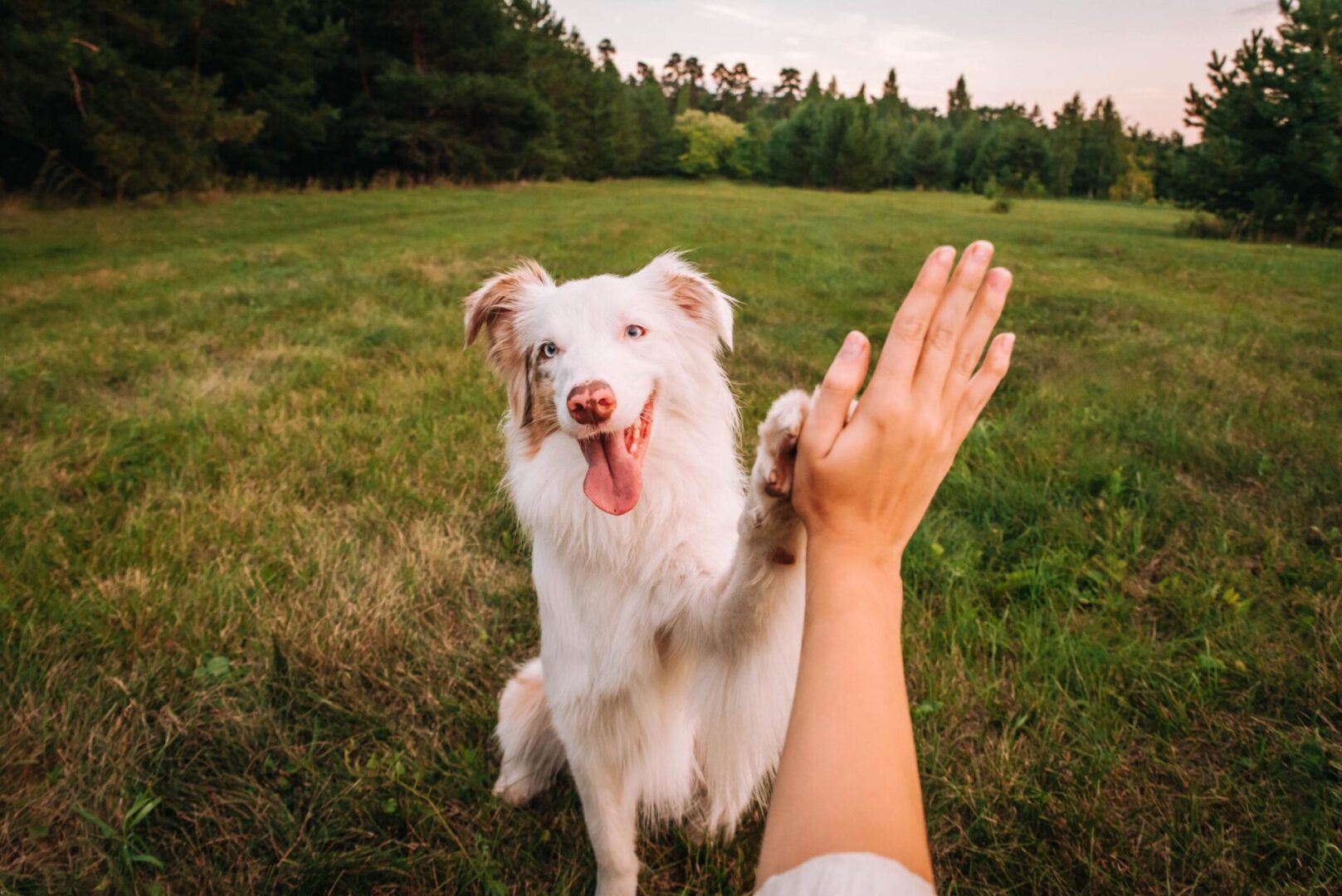
Training your dog is more than just teaching commands—it’s about building a relationship based on trust, respect, and understanding. Whether you’re working with a new puppy or an older rescue, the right training techniques can help your dog become a well-behaved and happy companion. In this blog, we’ll walk through essential dog training tips every pet parent should know to get the best out of their furry friend.
1. Start with the Basics
Begin training with simple, foundational commands like “sit,” “stay,” “come,” and “leave it.” These commands set the groundwork for more complex behavior and are crucial for your dog’s safety. Keep sessions short and positive—5 to 10 minutes per session is a great place to start.
2. Use Positive Reinforcement
Positive reinforcement means rewarding your dog for good behavior, which makes it more likely they’ll repeat it. Use treats, praise, toys, or even extra playtime. This method strengthens your bond and makes training enjoyable for both of you.
3. Be Consistent
Dogs thrive on routine and repetition. Use the same command words, gestures, and tone of voice every time. Consistency from everyone in your household helps reinforce training and avoids confusion for your dog.
4. Keep Training Sessions Short and Fun
Dogs, especially puppies, have short attention spans. Keep training sessions brief and engaging. End each session on a positive note with a command your dog already knows and a reward.
5. Socialize Early and Often
Exposing your dog to different people, places, sounds, and other dogs is key to reducing fear and building confidence. Controlled socialization during the early months sets the stage for a well-adjusted adult dog.
6. Avoid Punishment-Based Training
Harsh corrections, yelling, or physical punishment can damage your relationship with your dog and lead to fear-based behavior. Instead, redirect unwanted actions and reward good choices. Patience is key.
7. Understand Your Dog’s Breed and Personality
Different breeds have different instincts, energy levels, and learning styles. What works for one dog may not work for another. Tailor your training methods to suit your dog’s unique needs, and don’t hesitate to consult a professional if needed.
8. Use the Right Tools
Choose training tools that are humane and effective. A sturdy leash, a well-fitted harness, and appropriate treats can make a big difference. Avoid choke chains or prong collars unless guided by a certified trainer.
9. Train in Different Environments
Once your dog masters a command at home, practice it in other locations like parks, sidewalks, or pet-friendly stores. This helps your dog generalize commands and behave reliably in various settings.
10. Practice Patience and Positivity
Progress takes time. Some dogs learn quickly, while others need more repetition. Stay calm, be encouraging, and celebrate small wins. A positive attitude will motivate both you and your dog.
11. Teach One Command at a Time
Focus on one command until your dog understands it well before introducing a new one. Layering commands too quickly can confuse your dog and slow progress.
12. Reward Timing Matters
Deliver rewards immediately after the desired behavior so your dog makes the right connection. A delayed reward can make it unclear which action you’re reinforcing.
13. Don’t Overuse Treats
While treats are effective, don’t let your dog become dependent on them. Gradually phase out treats by replacing them with praise or affection once the behavior is learned.
14. Handle Setbacks Gracefully
Regression is normal, especially during adolescence. If your dog forgets a command or acts out, calmly revisit the training. Avoid frustration and focus on reinforcing positive behavior.
15. Make Training a Part of Daily Life
Use everyday moments as training opportunities. Ask your dog to sit before meals, stay before going outside, or come when called during play. Regular practice builds stronger habits.
16. Learn to Read Body Language
Understanding your dog’s signals can prevent misunderstandings and unwanted behavior. Watch for signs of stress, excitement, or discomfort, and respond appropriately.
17. Enroll in a Class or Work with a Trainer
Professional guidance can fast-track progress and address specific issues. Group classes offer socialization opportunities, while private sessions provide personalized support.
18. Avoid Overexcitement During Training
Keep your energy calm and assertive. Overexcitement can distract your dog and make them harder to manage, especially for reactive or high-energy breeds.
19. Give Your Dog Mental Challenges
Training isn’t just physical. Mental stimulation through puzzle toys, scent work, or new tricks keeps your dog engaged and reduces boredom-related behavior.
20. Celebrate Progress
Every dog learns at their own pace. Celebrate improvements, no matter how small, and keep reinforcing the behavior you want to see more of.
Final Thoughts
Effective dog training is about communication, patience, and understanding. By using positive methods and staying consistent, you’ll set your dog up for a lifetime of good behavior and companionship. Remember, a trained dog is not just easier to live with—they’re happier, more confident, and safer too. Book a training session for your pup now.